Kay Nielsen

Kay Nielsen, 1930/40s, concept art for Disney’s The Little Mermaid (https://www.theparisreview.org/blog/2018/03/16/kay-nielsen-disney-and-the-sanitization-of-the-modern-fairy-tale/)

Rather than a specific piece of art itself, I found interest in an artist and their work in general. Kay Nielsen, born in the 1800s in Copenhagen, was an illustrator under Disney who inspired and worked on many well-known Disney pieces today (Fantasia, The Little Mermaid, Sleeping Beauty, etc.) Known for his intricate, darker art style, Nielsen offered Disney an art style that was not always appreciated or utilized in its time.
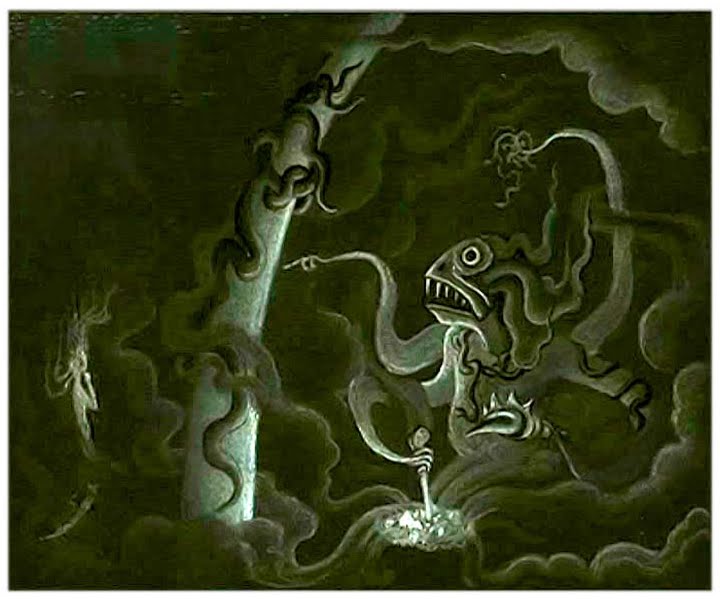
Kay Nielsen, 1930/40s, concept art for Disney’s The Little Mermaid (https://www.theparisreview.org/blog/2018/03/16/kay-nielsen-disney-and-the-sanitization-of-the-modern-fairy-tale/)

His work in The Little Mermaid, for example, was shelved before being picked up for the 1989 version, after Nielsen’s death. Obviously, the artwork pictured is much different than the bright, playful Little Mermaid we know of, even with the elements that parallel. The ethereal, other-worldly feeling of Nielsen’s art has retained its inspiring qualities despite the years that have passed since its conception.
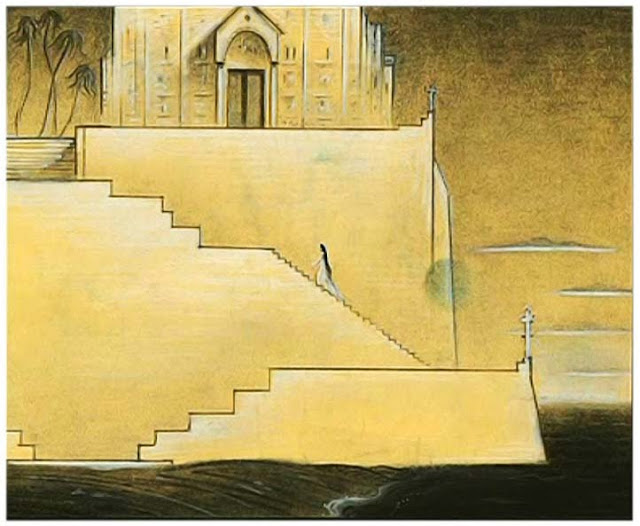
Kay Nielsen, 1930/40s, concept art for Disney’s The Little Mermaid https://www.messynessychic.com/2020/02/20/oh-disney-you-never-should-have-fired-kay-nielsen/

This piece, for example, retains Andersen’s darker Little Mermaid tale. It is interesting to think about what possibly could have been from Nielsen’s work, had he not been let go numerous times throughout his run at Disney. What could we have possibly received if Nielsen’s concepts had been continued from when they were originally published? Would his work on The Little Mermaid have remained a silencing and at times brooding lesson in disguise, truer to Andersen’s vision, or would it have been polished and cleaned through processing at Disney?

These questions may not necessarily have answers, but it is very interesting to think of what Disney’s The Little Mermaid might have been like if it stuck truer to Andersen’s original work through the inspiration of Nielsen.
.

I Hear You and I Disagree….Mostly

In light of all the recent controversy surrounding Disney's live action trailer of The Little Mermaid, I decided to dive head first into the rabbit hole of criticism and see what all the fuss is about.  

After reading the Hand Christian Anderson version and watching at 1989 adaptation I was intrigued when I saw the trailer for the live action remake…and even more intrigued at all the controversy surrounding it. After hopping on a Quora forum, I found that many people had taken offense to its dismissal of the European tradition and the “original” storyline (I would say that authorship is difficult with fairy tales) and not necessarily because the actress is black but rather because of Disney “black-washing” for money.

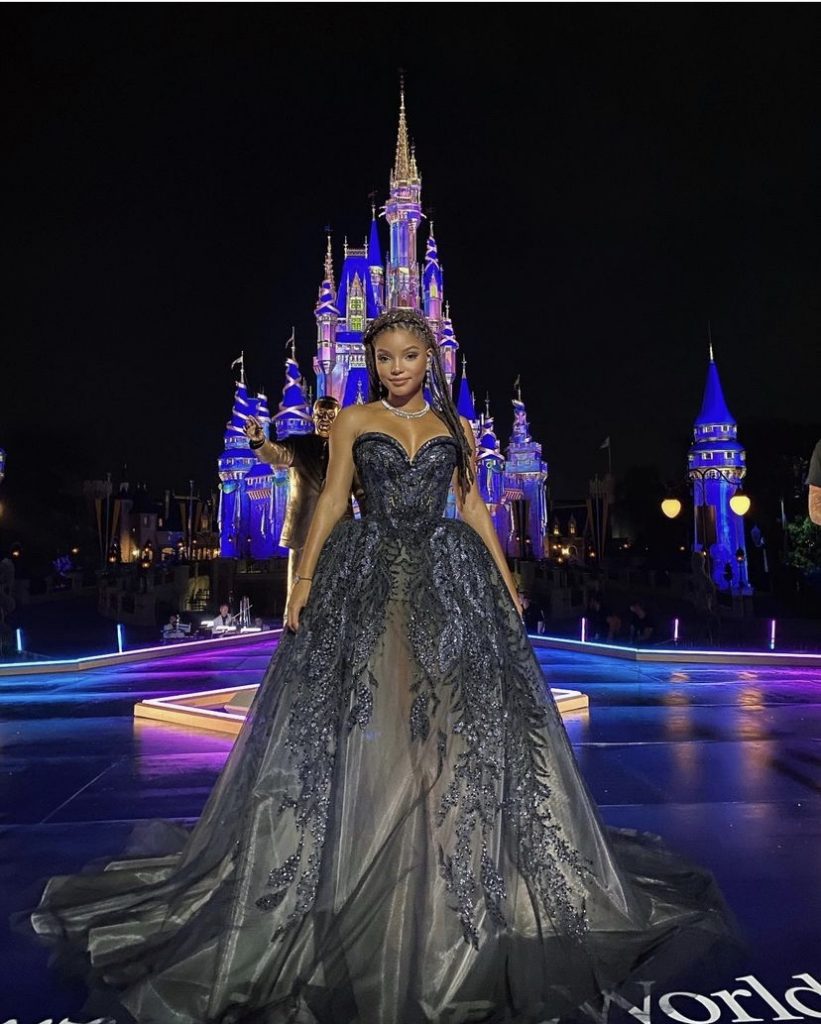
Halle Bailey is cast as the Ariel in the upcoming 2023 reboot and many people have things to say….

(Photograph of Halle Bailey at Walt Disney World/ October 2,2021/ ABC news)

But, if the 2023 soon to be out version is offensive in its dismissal, then I would argue that the 1989 version is also offensive for those very same reasons. 

I’m not sure if I just missed it while going to the bathroom or something, but I don’t recall Ariel’s feet ever bleeding or her finding God. And I would think that the addition of singing animals would be more disrespectful than the changing of skin color? It’s also not like the 1989 version is going away, people can still have their nostalgia, but if what they’re really looking is nostalgia then they should return to the “original” text instead. Because that’s what this nostalgia is coming from, not the storyline but a specific version of it. And at this point all we get to see is the trailer; we don’t know how much the story itself will change.

What is the best way to introduce diversity into Disney films? 

I personally do agree that Disney is just doing this for a cash grab, like all their other live action remakes, but if they are doing it i’m at least glad they are adding some new diversity. Representation in films is important, especially children’s films. However, I would honestly rather see them do an original storyline or show off stories from different cultural traditions than try to inject diversity into what is clearly another cash-grab remake. So my question is this; what is the best way to introduce diversity into remakes?

The Shift of Sex

Hands down, so far, my favorite of the readings we have done in class so far was not exactly a reading but more of a skeleton of an idea—the idea of transitioning. The many stories mentioned in the appendix of Transgressive Tales are its bones. They build on this idea of changing one’s form—whether it be from a human into an animal or an animal into a human.

“Donkey Skin”, illustration by Nadezhda Illarionova

Although these stories were written before being transgender was openly discussed, in a time when people were buried under the heavy earth of rigid gender identities, the idea of transition is still common. Could these examples of transformations between species be allegorical? These days, it is definitely easy to look at these tales through the lens of Queer Theory and say yes to that. Yet, there are even more literal examples of transness following the animal tales.

There is a whole section titled “Gender Drag,” which does in fact focus on tales that involve transformations in gender. Tales with titles such as “A Young Woman Disguised as a Man is Wooed by the Queen” and “Robber Disguised as a Woman.” These titles, in their blunt and literal nature, almost seemed like they were designed to shock readers. They remind me of sordid tabloid headlines in their form. This just goes to show the negative way in which gender non-conformity was treated at the time these were written.

Some other titles that stood out to me in this reading:

  • The Two Girls, The Bear, and The Dwarf
  • The Man as Heater of Hell’s Kettle
  • The Lost Genitalia
  • The Farmwife is Changed into a Woodpecker
  • Test of Sex: Catching an Apple
  • The King Transfers His Soul to a Parrot